Holiday Returns Season Staffing
Holiday Returns Season in Phoenix: How to Staff Your Warehouse for Reverse Logistics
Most warehouse managers plan carefully for the holiday rush.
Extra pickers. Extra packers. Extra loaders. Extended shifts.
Then December 26th arrives, and a different kind of rush begins.
Returns.
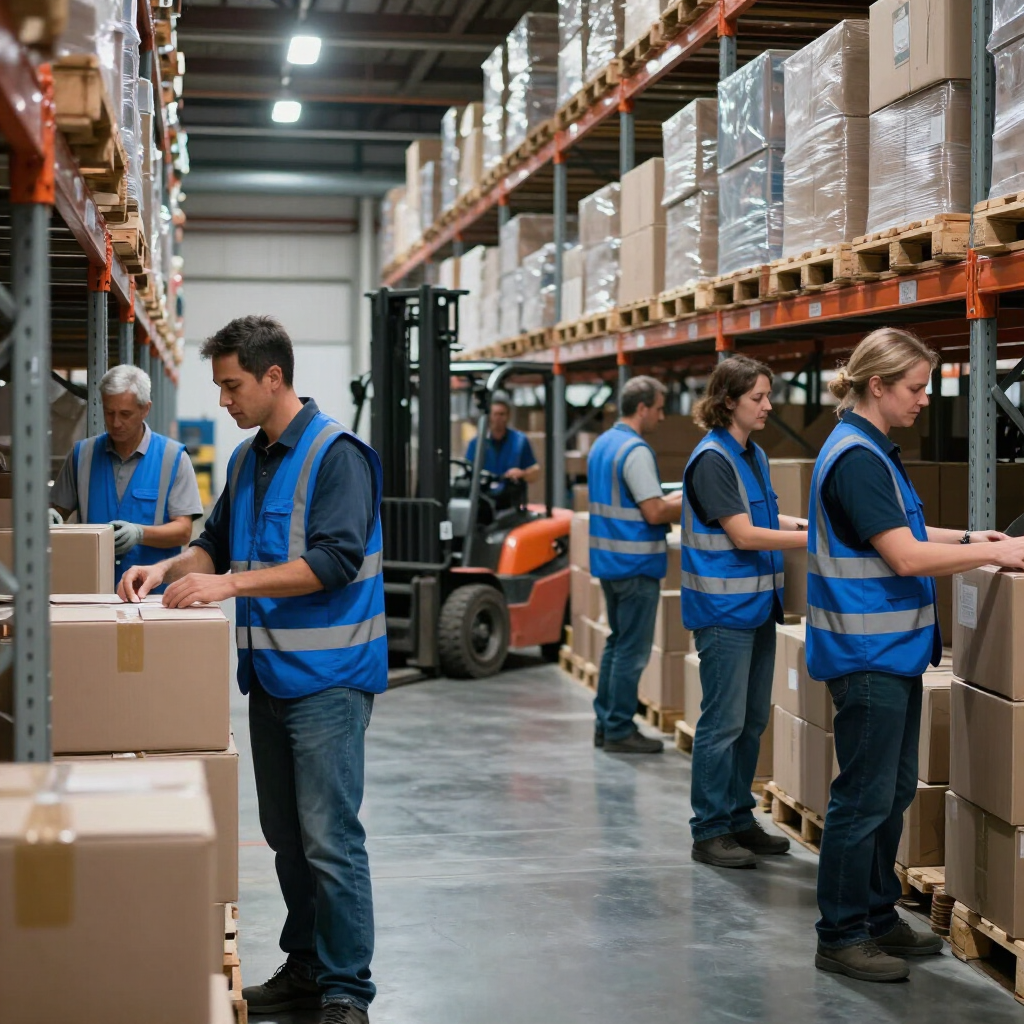
Products come back through the door in every condition imaginable. Boxes are opened, damaged, missing parts, or perfectly new. Each one has to be received, inspected, sorted, and sent to the right place.
For many Phoenix-area warehouses and distribution centers, the weeks after the holidays can be just as demanding as the weeks before them. The difference is that returns work is often harder to plan for.
Why Returns Are Different From Outbound Work
Outbound fulfillment is predictable. An order comes in, the item is picked, packed, and shipped.
Returns are not.
Every returned item needs a decision:
Can it be restocked?
Does it need to be repackaged?
Is it damaged?
Should it go back to the vendor, to liquidation, or to recycling?
That means returns processing takes more judgment, more inspection, and more handling per item. A worker who can pick 100 orders an hour may process far fewer returns in the same time.
If you staff returns the same way you staff outbound, you'll almost always be short.
The Returns Surge Starts Before You Think
Returns don't wait until January.
Many retailers extend their return windows through the holidays, so items purchased in November and December often come back in waves throughout January.
The warehouses that handle it best start planning in November, not after the first trailers of returns show up at the dock.
Where Returns Usually Break Down
When returns season goes badly, it's usually for the same reasons:
Receiving gets backed up. Pallets of returns sit on the dock waiting to be processed.
Inspection standards aren't clear. Different workers make different decisions about the same item.
Inventory isn't updated quickly. Products that could be resold sit in the building instead of on the shelf.
Outbound and returns compete for the same people. Supervisors pull workers back and forth, and both sides fall behind.
Most of these problems come back to two things: not enough trained people, and not enough clarity about the process.
How to Plan Your Returns Staffing
A few practical steps make a big difference:
1. Look at last year's numbers. How many returns came in each week of January? When was the peak? That's your starting point.
2. Separate returns from outbound. Give returns its own team, its own space, and its own supervisor whenever possible.
3. Write simple inspection rules. Clear guidelines for restock, repackage, damaged, and vendor-return decisions keep quality consistent.
4. Train before the surge. A short training session on your returns process before January saves hours of rework later.
5. Plan for flexible labor. Returns volume rises and falls quickly. Temporary workers let you add capacity for the weeks you need it without carrying extra headcount all year.
Where Temporary Staffing Fits
Returns season is one of the clearest examples of short-term, high-volume work.
You may need ten extra people for six weeks, then none at all.
Hiring full-time employees for that window rarely makes sense. Pulling your best outbound workers off their jobs creates problems on the other side of the building.
Temporary staffing gives you a way to build a dedicated returns team for the season. When temps are trained on your process early, they can handle receiving, sorting, inspection, and restocking while your core team stays focused on outbound orders.
Some of those temporary workers also turn out to be great long-term hires.
What to Ask Your Staffing Partner
If you plan to use temporary labor for returns season, ask your staffing partner:
How quickly can you add or reduce workers as volume changes?
Can the same workers come back each day so training isn't wasted?
Do you have people with receiving, inventory, or quality-check experience?
How do you handle call-outs during peak weeks?
The right answers make the difference between a smooth January and a dock full of unprocessed returns.
Plan Now, Not in January
The holiday rush gets most of the attention. Returns season decides how quickly your warehouse gets back to normal.
Planning your returns staffing in November gives you time to train people, set clear processes, and keep outbound and returns from fighting over the same workers.
FLAT Staffing works with warehouses and distribution centers across Phoenix, the West Valley, and the East Valley to build reliable temporary teams for seasonal surges like returns season. If you want to talk through your plan, visit our Partner With Us page or call 602-730-3312.