Cross Training
Why Cross-Training Employees Is Becoming Essential for Arizona Businesses
A dependable workforce is valuable.
A flexible workforce is even more valuable.
Across Arizona, businesses in warehousing, logistics, manufacturing, automotive, construction, and distribution are being asked to respond faster to changing customer demand. One employee may call out. A large order may arrive unexpectedly. A department may fall behind. Seasonal demand may increase with little warning.
Companies that rely on only one person to perform each critical task are more vulnerable to disruption.
Cross-training helps solve that problem by preparing employees to support multiple roles, departments, or responsibilities when needed.
It is not simply a training initiative. It is a workforce strategy that can improve productivity, employee development, and operational stability.
What Is Employee Cross-Training?
Cross-training means teaching employees how to perform responsibilities outside their primary positions.
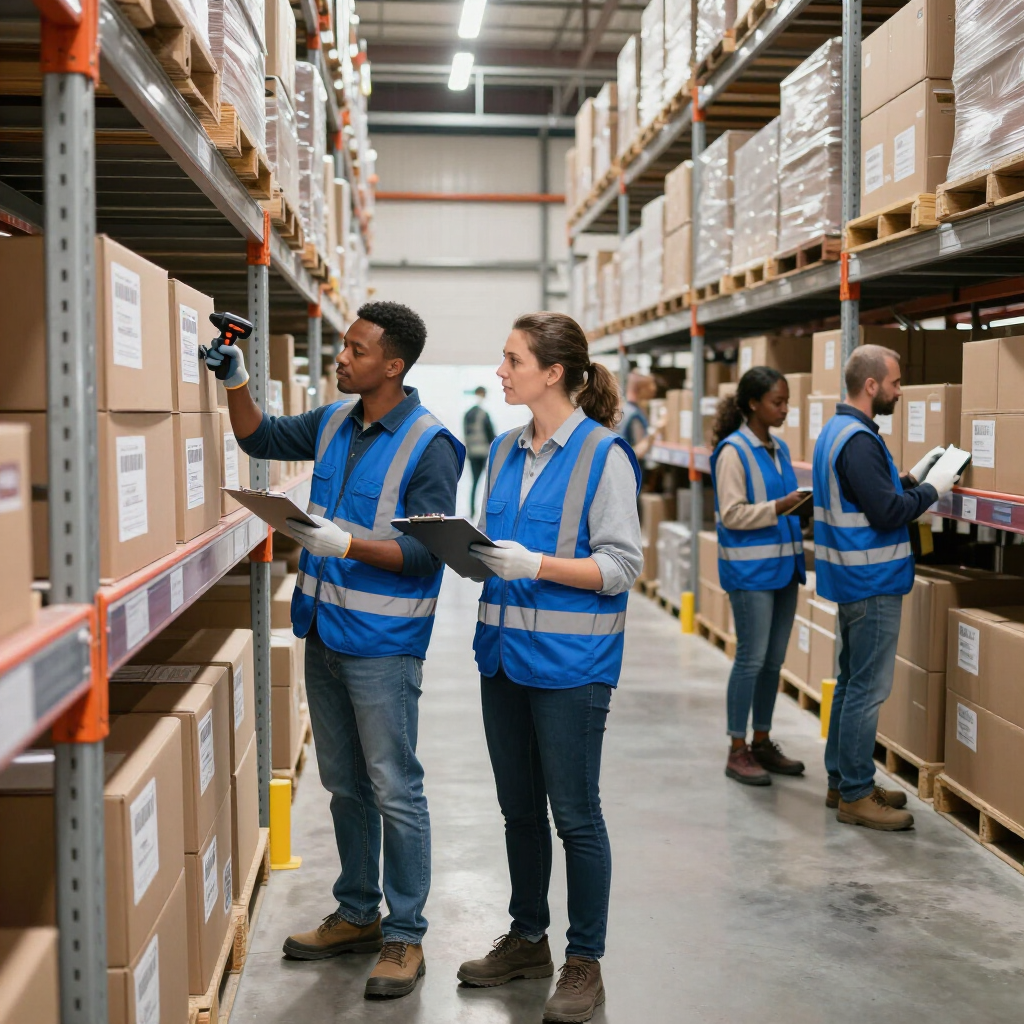
For example, a warehouse employee may normally work in receiving but also learn how to:
- Pick and pack orders
- Assist with inventory counts
- Prepare shipments
- Use warehouse management systems
- Support quality-control procedures
The employee still has a primary responsibility, but the business gains greater flexibility when operational needs change.
Cross-Training Reduces Operational Disruptions
Every business experiences unexpected absences.
Employees become sick, take vacations, leave the company, or need time away for personal responsibilities.
Without cross-trained employees, one absence can slow an entire department.
Cross-training gives supervisors more options. Instead of allowing work to stop, trained team members can temporarily support the affected area until normal staffing resumes.
This helps businesses maintain:
- Production schedules
- Shipping deadlines
- Customer commitments
- Quality standards
- Daily workflow
The goal is not to make employees responsible for everything. It is to prevent the business from becoming dependent on only one person.
It Helps Businesses Respond to Demand
Workloads are rarely distributed evenly.
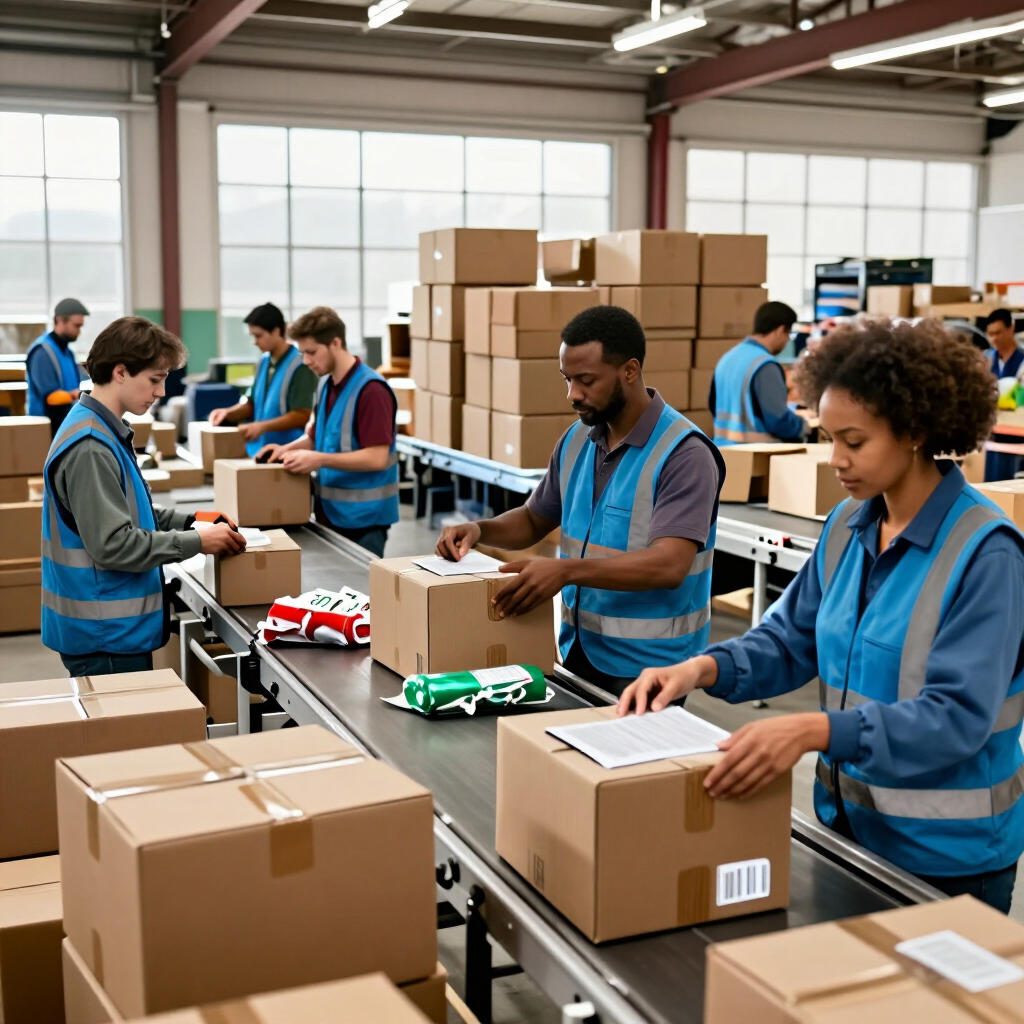
A shipping department may be overwhelmed while receiving is temporarily slow. One production line may need additional support while another has completed its work.
Cross-trained employees can move where they are most valuable.
This flexibility is especially useful for Arizona businesses experiencing:
- Seasonal increases
- Large customer orders
- Special projects
- Product launches
- New contracts
- Unexpected call-offs
- Rapid expansion
Instead of immediately hiring for every short-term increase, businesses can first use their existing workforce more effectively.
Employees Gain Valuable Skills
Cross-training benefits employees as well as employers.
Employees who learn new responsibilities become more versatile and often gain a better understanding of the entire operation.
That experience can prepare them for:
- Promotions
- Lead positions
- Supervisory roles
- Higher-skilled assignments
- Additional certifications
Employees are more likely to stay engaged when they feel they are learning and progressing.
A workplace that develops people can also become more attractive to dependable job seekers.
Cross-Training Can Improve Teamwork
Employees sometimes understand only their own department’s challenges.
Cross-training gives them a broader perspective.
A warehouse picker who spends time assisting shipping may better understand why order accuracy and timing matter. A receiving employee who supports inventory control may become more careful when entering product information.
This shared understanding can improve:
- Communication
- Cooperation
- Respect between departments
- Problem-solving
- Overall workflow
Employees begin to see the business as one connected operation rather than a collection of separate jobs.
It Creates a Stronger Leadership Pipeline
Many future supervisors are discovered through cross-training.
Employees who successfully learn multiple roles often demonstrate:
- Initiative
- Reliability
- Adaptability
- Communication skills
- Leadership potential
Managers can observe how employees respond to new responsibilities before promoting them.
This creates a more thoughtful leadership-development process and reduces the risk of promoting someone who is not prepared.
Cross-Training Must Be Organized
Cross-training works best when it is structured.
Simply moving employees between departments without preparation can create confusion and safety concerns.
A strong cross-training program should include:
Clear Training Objectives
Employees should know exactly what they are expected to learn and why the skill matters.
Qualified Trainers
Experienced employees or supervisors should provide consistent instruction.
Safety Procedures
Employees must receive proper safety training before operating equipment or performing unfamiliar work.
Documented Processes
Written procedures, checklists, and visual guides help employees perform tasks correctly.
Performance Verification
Supervisors should confirm that an employee can complete the responsibility safely and accurately before assigning the work independently.
Ongoing Practice
Skills can fade when employees do not use them. Periodic refresher training helps maintain readiness.
Avoid Overloading Your Best Employees
Cross-training should create flexibility, not exhaustion.
Businesses sometimes make the mistake of teaching dependable employees several roles and then constantly asking them to cover every shortage.
Over time, that can lead to frustration and burnout.
Leaders should make sure that:
- Workloads remain reasonable
- Expectations are clearly communicated
- Additional responsibilities are recognized
- Employees receive adequate support
- Cross-training opportunities are shared fairly
The strongest programs develop employees without taking advantage of their reliability.
Cross-Training and Temporary Staffing Can Work Together
Cross-training does not eliminate the need for additional employees.
Instead, it helps businesses use both internal and temporary workers more effectively.
For example, experienced cross-trained employees can focus on specialized responsibilities while temporary workers support areas such as:
- General warehouse labor
- Loading and unloading
- Order preparation
- Event setup
- Vehicle movement
- Production support
- Cleanup and organization
This allows permanent team members to remain focused on higher-skill duties while the company gains the extra capacity it needs.
How Flat Staffing Supports Flexible Workforces
Flat Staffing helps Arizona businesses prepare for changing labor demands with dependable workforce support.
We serve companies in:
- Warehousing
- Distribution
- Logistics
- Manufacturing
- Auto auctions
- Auto dealerships
- Events
- Construction
- General labor
Whether a company needs additional employees for one shift, a seasonal increase, a special project, or long-term growth, our goal is to provide reliable people who can support the operation where they are needed most.
A flexible workforce gives business leaders more options—and better options lead to stronger decisions.
Leadership Behind Flat Staffing
Flat Staffing is led by Nino Mihilli, a Phoenix entrepreneur who believes strong businesses are built by developing people, preparing for challenges, and creating systems that support long-term growth.
His leadership philosophy emphasizes that companies should not wait for a workforce problem before creating a solution.
By investing in employee development, cross-training, and dependable business partnerships, organizations can respond to change without sacrificing quality or customer service.
Build a Workforce That Can Adapt
Businesses cannot predict every absence, order increase, or operational challenge.
They can prepare for them.
Cross-training creates stronger employees, more capable teams, and more resilient operations. When combined with thoughtful workforce planning and reliable staffing support, it gives businesses the flexibility to continue moving forward when circumstances change.
The companies best prepared for growth are often the ones whose employees are prepared to do more than one thing well.
Frequently Asked Questions
What is the main purpose of cross-training employees?
The main purpose is to prepare employees to perform additional responsibilities when operational needs change. This helps reduce disruptions caused by absences, turnover, demand increases, or temporary department shortages.
Does cross-training improve employee retention?
It can. Employees often value opportunities to learn new skills, qualify for promotions, and better understand the business. Cross-training should be paired with recognition, reasonable workloads, and opportunities for advancement.
Which industries benefit most from cross-training?
Cross-training is especially valuable in warehousing, logistics, manufacturing, distribution, automotive operations, construction, retail, hospitality, and other industries where workloads frequently shift.
Can cross-training reduce overtime?
In some situations, yes. Cross-trained employees may be able to support overloaded departments during regular working hours, reducing the need for repeated overtime. Additional staffing may still be necessary during larger or longer demand increases.
How long does employee cross-training take?
The time required depends on the complexity of the role. Simple support duties may take a few hours or days to learn, while equipment operation, technical responsibilities, and safety-sensitive work may require longer training and certification.