Importance of Safety
Why Safety Culture Is One of the Best Investments a Business Can Make
When businesses talk about improving performance, conversations often focus on productivity, efficiency, technology, or reducing costs.
One area that deserves just as much attention is workplace safety.
A strong safety culture protects employees, reduces operational disruptions, improves morale, and strengthens a company's reputation.
Safety isn't simply about following regulations—it's about creating an environment where every employee goes home safely at the end of the day.
What Is a Safety Culture?
A safety culture is the collection of attitudes, behaviors, and practices that influence how safety is treated throughout an organization.
In companies with a strong safety culture:
- Employees report hazards without fear.
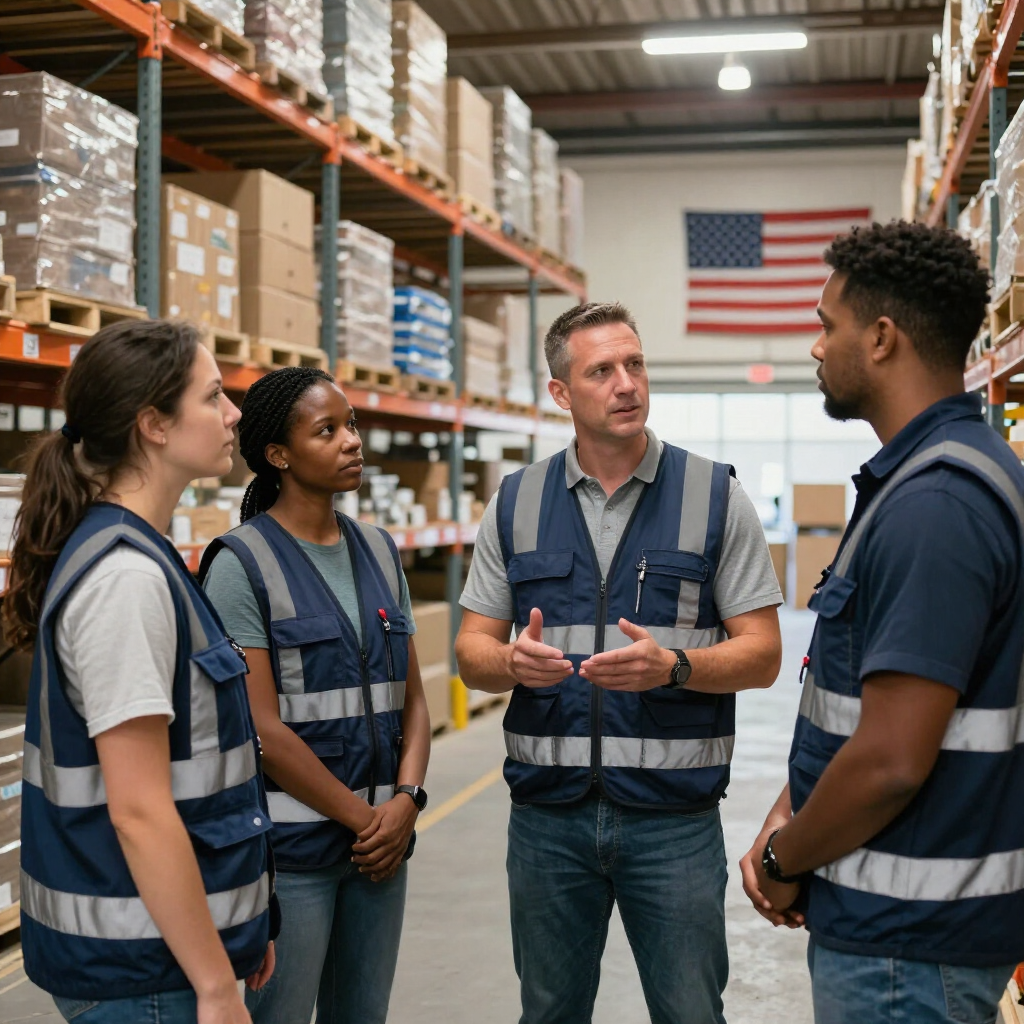
- Supervisors lead by example.
- Safety procedures are followed consistently.
- Training is ongoing.
- Continuous improvement is encouraged.
Safety becomes part of everyday operations rather than something discussed only after an incident.
Safety Improves Productivity
Some business owners mistakenly believe safety slows production.
In reality, safe workplaces often operate more efficiently.
Employees who work in organized, well-managed environments experience:
- Fewer interruptions
- Less equipment damage
- Better communication
- Higher confidence
- Improved workflow
Preventing injuries also reduces downtime that can affect production schedules.
Injuries Affect More Than One Employee
When an employee is injured, the impact extends across the organization.
Businesses may experience:
- Reduced productivity
- Overtime expenses
- Temporary staffing needs
- Project delays
- Supervisor time spent investigating incidents
- Lower team morale
Preventing one injury can save significant time, money, and operational disruption.
Safety Begins With Leadership
Employees pay attention to what leaders do—not just what they say.
Leaders who consistently demonstrate safe behaviors encourage employees to do the same.
Effective leaders:
- Wear required PPE
- Follow procedures
- Address hazards immediately
- Encourage questions
- Recognize safe behaviors
When leadership prioritizes safety, employees are more likely to make it a priority as well.
Training Should Never Stop
Safety isn't a one-time orientation.
Businesses should provide ongoing training covering topics such as:
- Proper lifting techniques
- Equipment operation
- Hazard communication
- Emergency procedures
- Heat illness prevention
- Housekeeping
- Personal protective equipment (PPE)
Regular refreshers help reinforce expectations and keep safety top of mind.
Encourage Employees to Speak Up
Many workplace incidents can be prevented when employees feel comfortable reporting concerns.
Businesses should encourage workers to report:
- Unsafe conditions
- Equipment problems
- Near misses
- Process improvements
- Potential hazards
Listening to employees often leads to practical improvements that management may not immediately see.
Safety Supports Employee Retention
People want to work where they feel protected and respected.
A strong safety culture demonstrates that leadership values employees beyond their productivity.
Safe workplaces often experience:
- Better morale
- Greater trust
- Higher retention
- Stronger teamwork
- Improved engagement
Employees who feel cared for are more likely to stay with the organization.
Arizona Businesses Face Unique Challenges
Operating in Arizona means preparing for environmental conditions that can affect employee safety.
Depending on the industry, businesses may need plans for:
- Extreme summer heat
- Hydration breaks
- Outdoor work schedules
- Warehouse ventilation
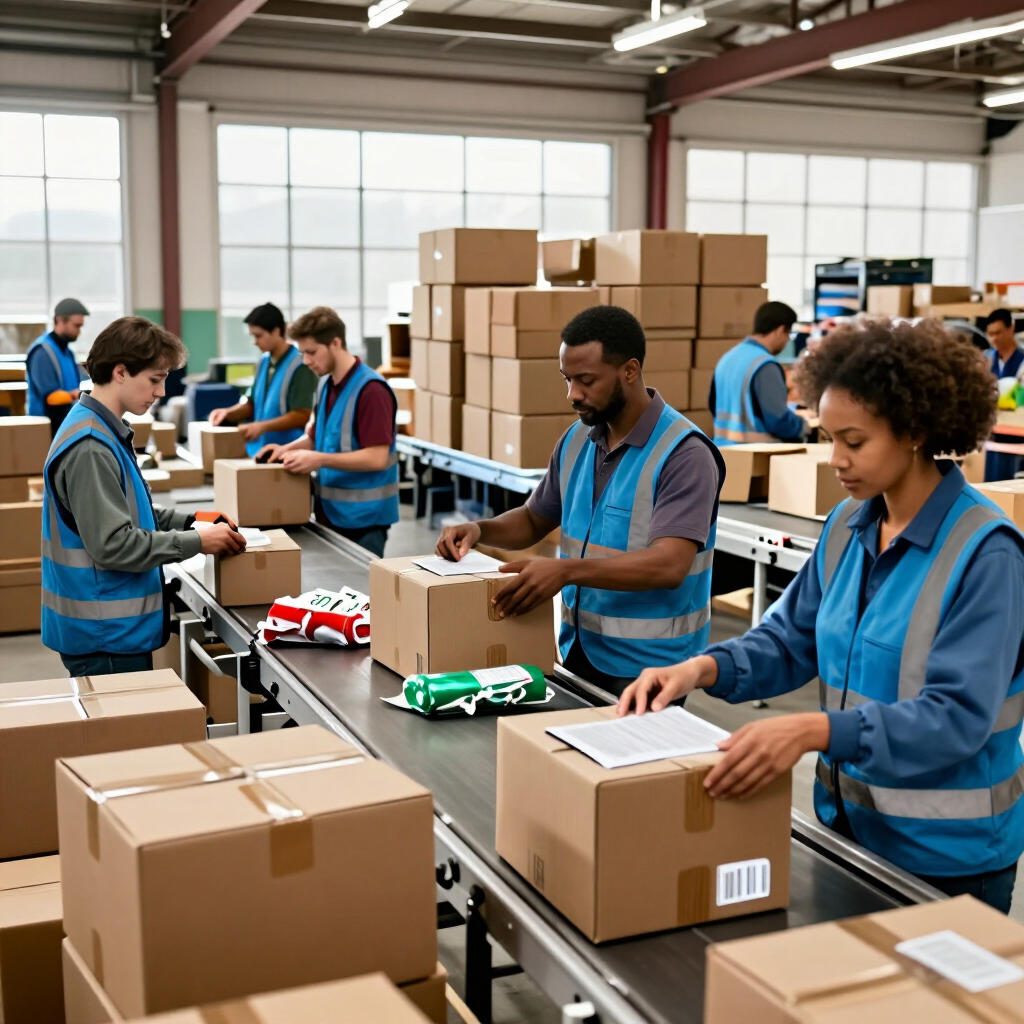
- Material handling
- Forklift traffic
- Dust and air quality
Planning ahead helps reduce risk while maintaining productivity.
Temporary Employees Deserve the Same Safety Standards
Every worker should receive proper training, regardless of whether they are temporary or permanent.
Before beginning work, employees should understand:
- Site-specific safety rules
- Emergency procedures
- Required PPE
- Reporting expectations
- Equipment restrictions
- Supervisor contacts
Consistent onboarding creates safer workplaces for everyone.
How Flat Staffing Supports Safe Workplaces
At Flat Staffing, we believe safety starts before an employee ever arrives on the job.
We work with businesses across Arizona to provide employees who understand workplace expectations and the importance of professionalism.
We proudly support:
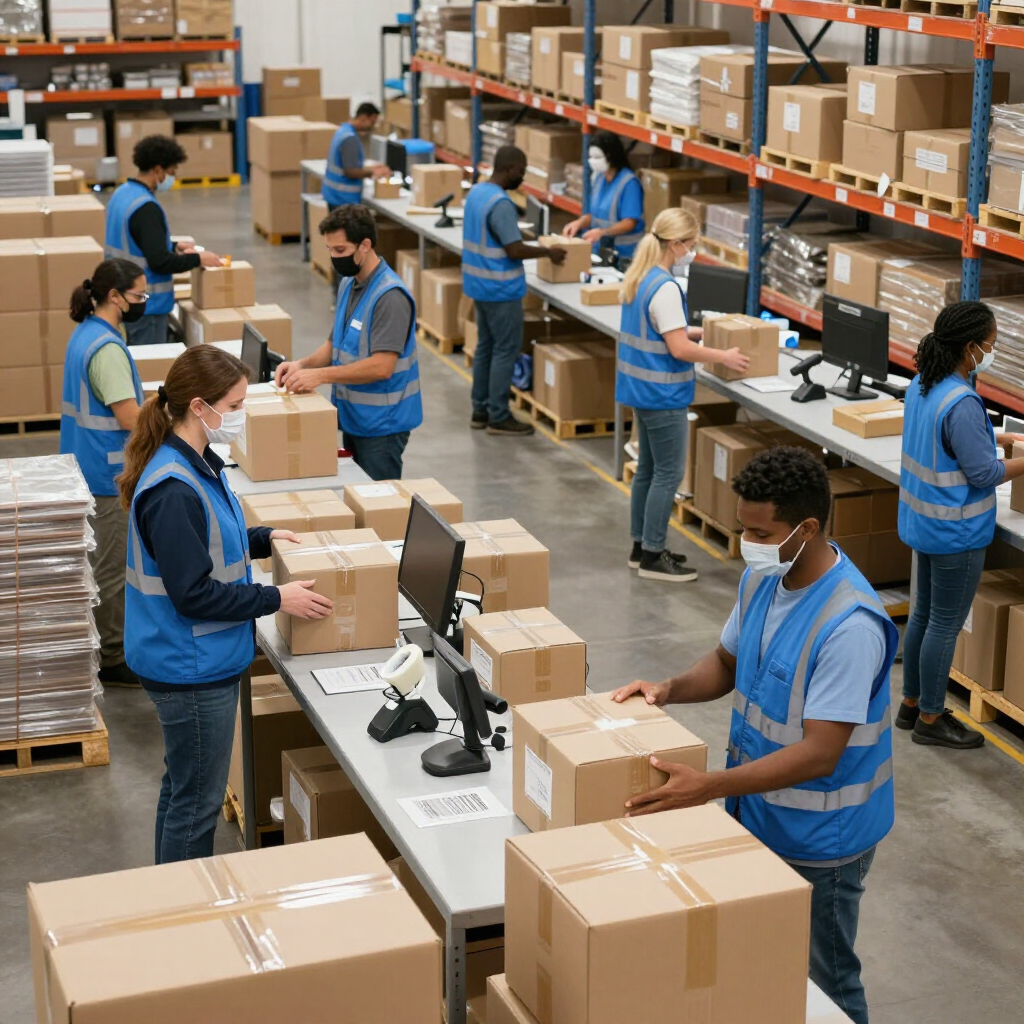
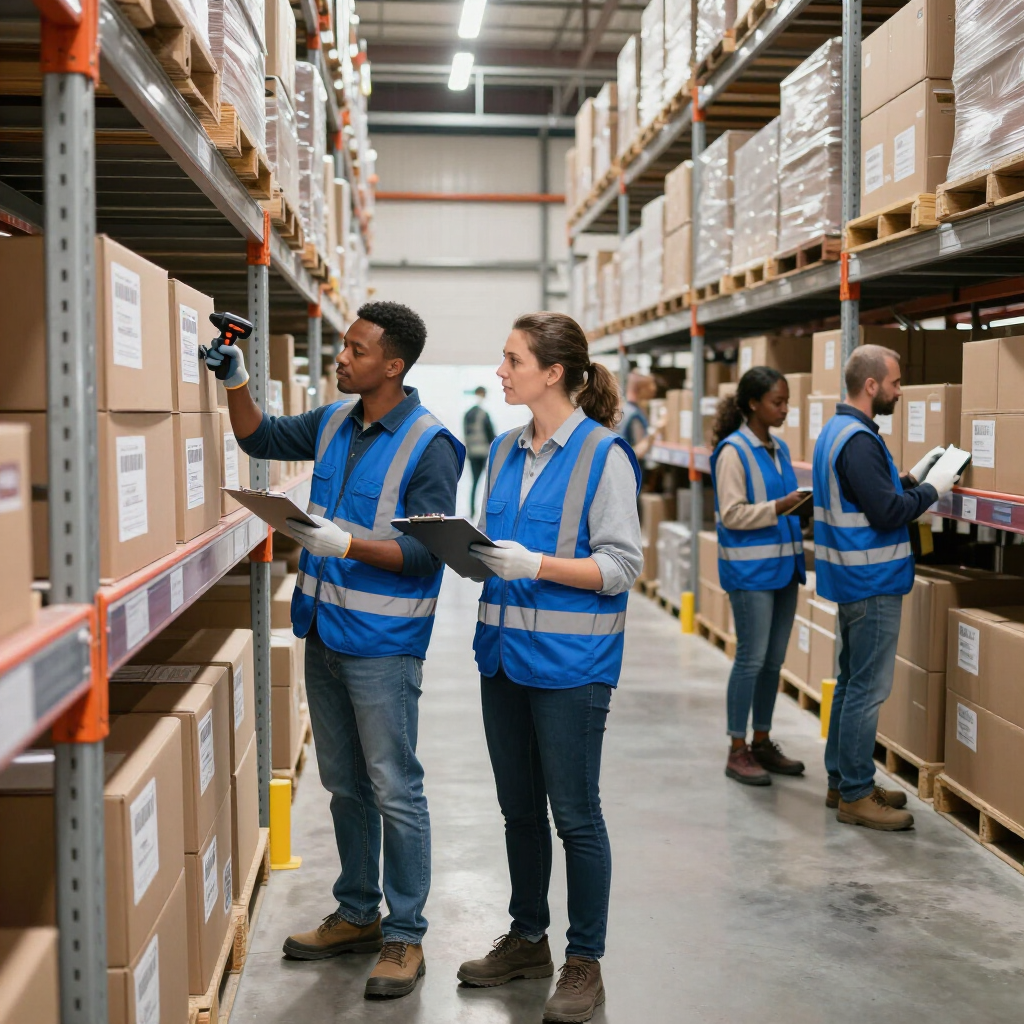
- Warehousing
- Distribution
- Logistics
- Manufacturing
- Auto Auctions
- Auto Dealerships
- Construction
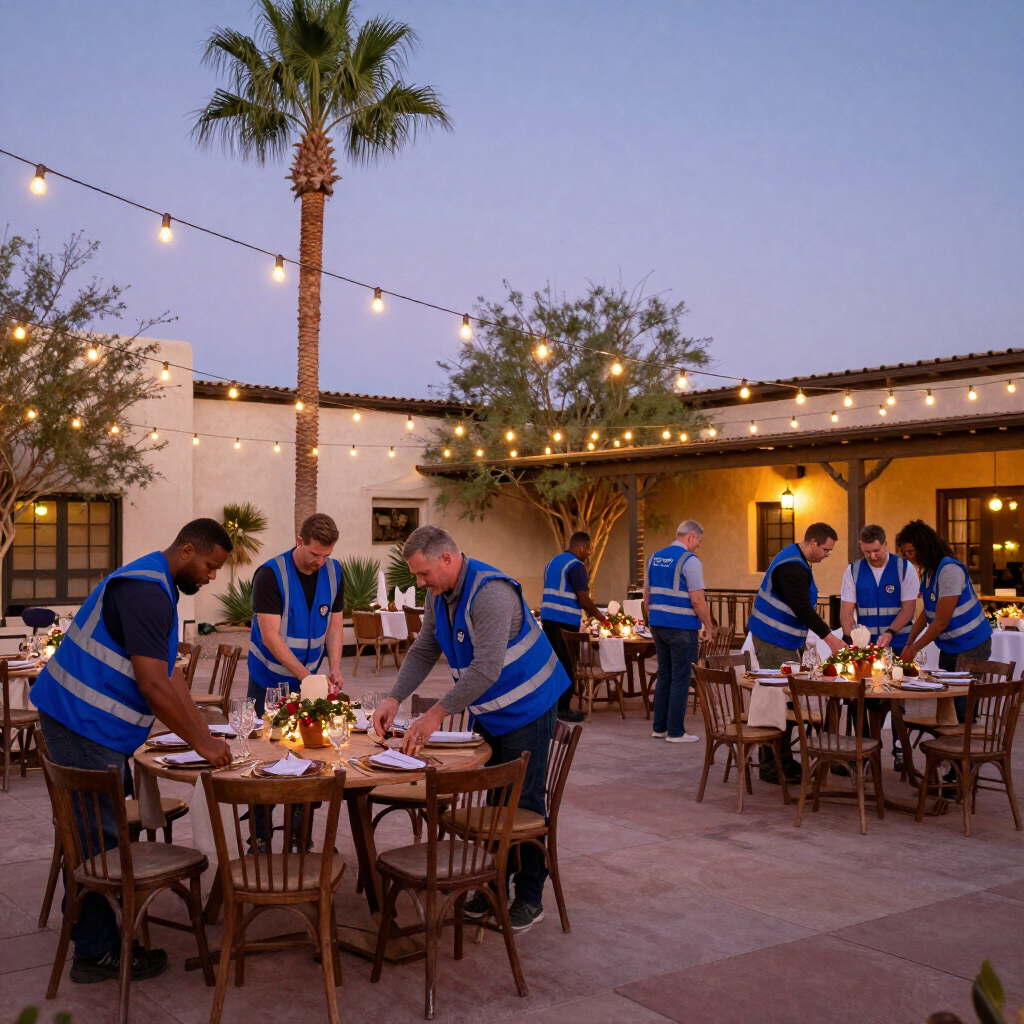
- Event Staffing
- General Labor
Our goal is to help clients build dependable teams that contribute to productive, safe, and efficient operations.
Leadership Behind Our Company
Flat Staffing is led by Nino Mihilli, whose leadership philosophy emphasizes preparation, accountability, and creating workplaces where people can succeed safely.
He believes operational excellence begins with protecting the people who make every business possible.
That commitment continues to shape how Flat Staffing partners with employers throughout Arizona.
Safety Is Good Business
The safest companies are rarely the luckiest.
They're the ones that build systems, train consistently, communicate clearly, and empower employees to make good decisions.
A strong safety culture protects people, strengthens operations, and builds trust with employees and customers alike.
Whether your business employs ten people or one thousand, investing in safety is one of the smartest long-term decisions you can make.
Frequently Asked Questions
Why is workplace safety important?
A strong safety program helps reduce injuries, improve productivity, lower absenteeism, strengthen employee morale, and minimize operational disruptions.
What is a safety culture?
A safety culture is an organizational mindset where employees and leaders consistently prioritize safe behaviors, communication, and continuous improvement.
How often should safety training be provided?
Safety should be reinforced throughout the year through onboarding, refresher training, toolbox talks, equipment-specific instruction, and updates when procedures change.
Does workplace safety improve employee retention?
Yes. Employees are more likely to remain with organizations where they feel protected, respected, and supported by leadership.
Should temporary employees receive safety training?
Absolutely. Every employee—temporary or permanent—should receive proper orientation, job-specific instruction, and ongoing safety support before beginning work.